
Due to the complex nature of die-struck lapel pin manufacturing, novice designers and buyers often struggle when trying to comprehend the separation between base metal and paint. This creates frustration not only for the artist, but also the supplier.
Nobody wants to change your art or limit your creative vision. However designing pins, medals and coins requires you to understand metal finishing and the limitations associated with our manufacturing process. After all, making pins is very different from printing a business card. Furthermore, designers leave a lot of creative options on the table because they are unaware of the possibilities the base metal adds to the design.
In this article we've taken 3 pin designs and separated them the elements so you can see how we structure the design.
Enamel Pin Design "Pink Cat" by @ceboots
Coloured base metal is a relatively new development in our industry driven by artists and creatives. The gold/silver/bronze base metal options created a lot of issues with the artistic pins. It's also the hardest for people to "see" in your head when designing. We feel this is a super cool example because the artist used complimentary pink metal and pink enamel. Once you understand this example, you are on your way to "expert" status. We also have a video that shows you how they colour the metal.
- Finished Size: 1"
- Manufacturing Process: Soft enamel with dyed pink metal

Enamel Pin Design "Guard The God"
This is a traditional looking lapel pin with classic antique gold electroplate.
- Finished Size: 1"
- Manufacturing Process: Hard enamel with antique gold

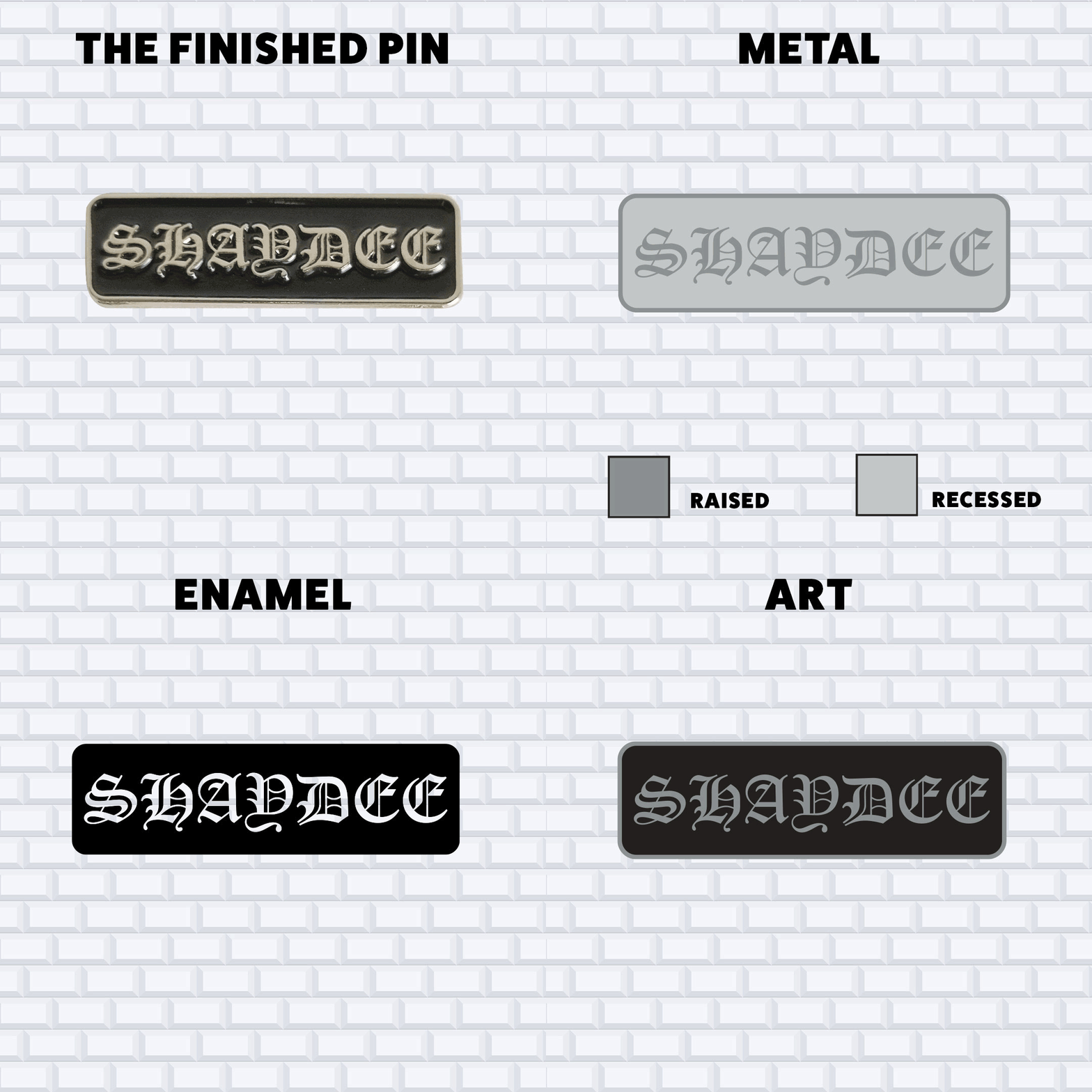
Enamel Pin Design "Shaydee"
This is a trendy yet simple logo pin design. This is a classic example of why you need to make text metal,instead of a colour. When you surround text with paint, it makes the design much easier to read.
- Finished Size: 1.25"
- Manufacturing Process: Soft enamel with nickel electroplate (silver)
4 tips for using base metal in your enamel pin designs:
- Text is typically too small to "hold" colour. Make your wording UPPERCASE, with a tracking (letter spacing) of at least 50 and try to surround with enamel
- Don't be afraid to leave recessed metal areas without any paint
- Many designers like the soft enamel process because it allows you to use a pure black base metal. This allows you to have black lines and details that are cartoon like in nature.
- Use background textures or no paint at all or 3d
Be sure to download our cheat sheet with offers you dozens of "best practices"
The most common newbie issues with art:
- not leaving a large enough area to inject liquid epoxy into. We need 2mm of space
- not leaving enough space between elements for enamel to flow properly
- not scaling design down to actual before submitting
- Free Enamel Pin Design Course
- How To Make Enamel Pins
- Enamel Pin Design Screencast: Design 101
- DIY Enamel Pin Design: Cheat Sheet
- DIY Enamel Pin Design: Glitter
- DIY Enamel Pins Design: Textures
- DIY Enamel Pin Design: Clear Enamel
- DIY Enamel Pin Design: Silk Screens
FAQs
What is base metal in enamel pin design?
Enamel pins are most commonly made using zinc alloy as the base metal, although iron or brass can also be used.
Why is understanding base metal important when designing enamel pins?
The base metal is a crucial factor in lapel pin design. It directly impacts the final look, weight, durability, manufacturing method, and cost of the pin.
What is the difference between base metal and enamel paint in lapel pins?
Base metal is the structural foundation (the metal body) of the pin, while enamel paint is the colored material used to fill the recessed areas of that metal to create the design.
Can base metal be colored in enamel pins?
The base metal can be electroplated in any desired color. This allows for a stunning pin that perfectly complements your branding and style.
What are common mistakes beginners make when designing enamel pins?
Common mistakes include using small text, tiny details, gradients, and thin lines. All details must be bold and legible at the reduced scale of 1" or 1.25".